
“Windows are not fillers — they’re features. Plan them early, or pay for it later.”
Most homeowners don’t realise this until it’s too late.
You spend months finalising layouts, elevations, interiors, lighting… And then suddenly someone asks:
“Windows ka kya karna hai?”
That’s when the problem begins.
Because aluminium windows and doors are not decorative add-ons. They are performance systems that directly affect your building envelope, energy efficiency, drainage, structure, and comfort.
And when you plan them late — you don’t choose the right system. You adjust the system to fit the mistake.
What Happens When You Plan Windows Late
At first, everything looks fine.
Then site reality hits:
- RCC openings don’t match aluminium window system sizes
- Beam placements block sliding door movement
- Improper sill levels cause drainage failure
- Electrical points clash with window openings
- Interior design restricts window functionality
Now you’re stuck.
You either:
- Break civil work
- Compromise on design
- Or install a lower-performance aluminium window system
None of these are good options.
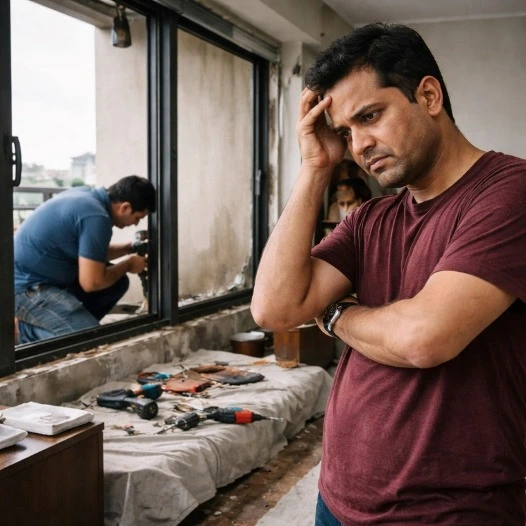
Real Story: The Farmhouse That Paid the Price
A luxury farmhouse near Delhi had everything planned beautifully.
Large aluminium sliding windows.
Minimal frames.
Open garden views.
But windows were discussed after civil work was completed.
Result?
- Openings were too small for premium sliding systems
- Floor levels were not aligned for flush tracks
- Drainage slopes were missing completely
- Structure blocked the intended design
They had to:
- Break walls
- Redesign openings
- Increase frame thickness
- Compromise on aesthetics
All because window planning came late.
This is not rare. It happens every day.
Why Aluminium Windows Must Be Planned Early
Aluminium windows are not just something you “add later.” They are connected to many parts of your home.
If you don’t plan them early, small mistakes turn into daily problems.

1. Structure Matters More Than You Think
Windows need the right space to fit properly.
If the opening size is wrong or not planned:
- The window won’t sit properly
- Fixing becomes weak
- Problems start showing over time
Simple: If the space isn’t right, the window can never work perfectly.
2. Water Has to Go Somewhere
This is where most homes go wrong.
If drainage is not planned:
- Rainwater starts entering during monsoon
- Water collects in window tracks
- Floors, walls, and furniture get damaged
Water doesn’t disappear. If you don’t guide it out, it comes inside.
3. Your AC Bills Are Affected
Windows control how much heat enters your home.
If not planned properly:
- Hot air comes in
- Cool air leaks out
- AC runs longer
Result: Higher electricity bills every month.
4. Your Interiors Get Disturbed
Late window decisions mess up the finishing.
You may see:
- Crooked alignment
- Uneven edges
- Curtains not fitting properly
That clean, luxury finish you imagined? It gets compromised.
5. Daily Use Becomes Annoying
This is the part people regret the most.
If not planned early:
- Sliding windows hit furniture
- Windows don’t open fully
- Airflow gets blocked
The house may look good… but living in it feels inconvenient.
Flush Track — A Small Detail, Big Impact
This is something most people don’t even think about.
If not planned:
- You get a step at the door
- Water can enter inside
- Walking feels uncomfortable
If planned properly:
- Floor stays level (no step)
- Water drains out easily
- Space looks premium and seamless
But this only works if it’s decided before construction.
Hidden Costs of Late Planning
It usually starts with a simple thought:
“We’ll finalise windows later.”
But on site, “later” creates problems immediately.
Openings don’t match the aluminium window system.
Floor levels don’t align.
Design intent starts breaking.
Now you’re not choosing — you’re adjusting.
Here’s what actually happens:
- Civil work needs modification to fit the window
- Design gets compromised because original sizes don’t work
- Project timelines get delayed due to rework
- Window systems become more expensive due to forced changes
- And later — leakage, misalignment, and maintenance issues begin
The biggest problem?
None of this feels like a major mistake at once.
But every small adjustment adds up.
You don’t get the clean finish you expected.
You don’t get the performance you were promised.
And you spend more time and money fixing what could have been avoided.
Simple Checklist for Homeowners
Before construction progresses, ask:
- Have I finalized my aluminium window system early?
- Are RCC openings aligned with system drawings?
- Is drainage slope planned?
- Are frame depths considered in design?
- Is electrical and interior planning coordinated?
If the answer is no — you’re already at risk.
For Architects & Builders
This is where projects are won or lost.
Early window planning ensures:
- Better façade alignment
- Accurate BOQs
- Zero rework
- Higher client satisfaction
Include windows in:
- Concept stage
- GFC drawings
- Structural coordination
Because aluminium windows are not a finishing item. They are a core design element.
Final Word
And by that point, there's no easy fix
Because windows aren't furniture you can swap on a bad day. They're built into the bones of your home. Replacing them means breaking walls. Calling workers back. Spending again.
The mistake was quiet. The cost won't be.
Plan early. Perform better. Live better. Because in premium homes, windows aren't afterthoughts — they're engineered decisions.
Start your window consultation before the walls go up.
Our Clientele




















11

Years of
Experience
5046
Projects
Completed
Before You Finalize Your Windows & Doors — Read This First
These mistakes don’t just cost money.
They cost comfort, sleep, privacy and peace of mind.